
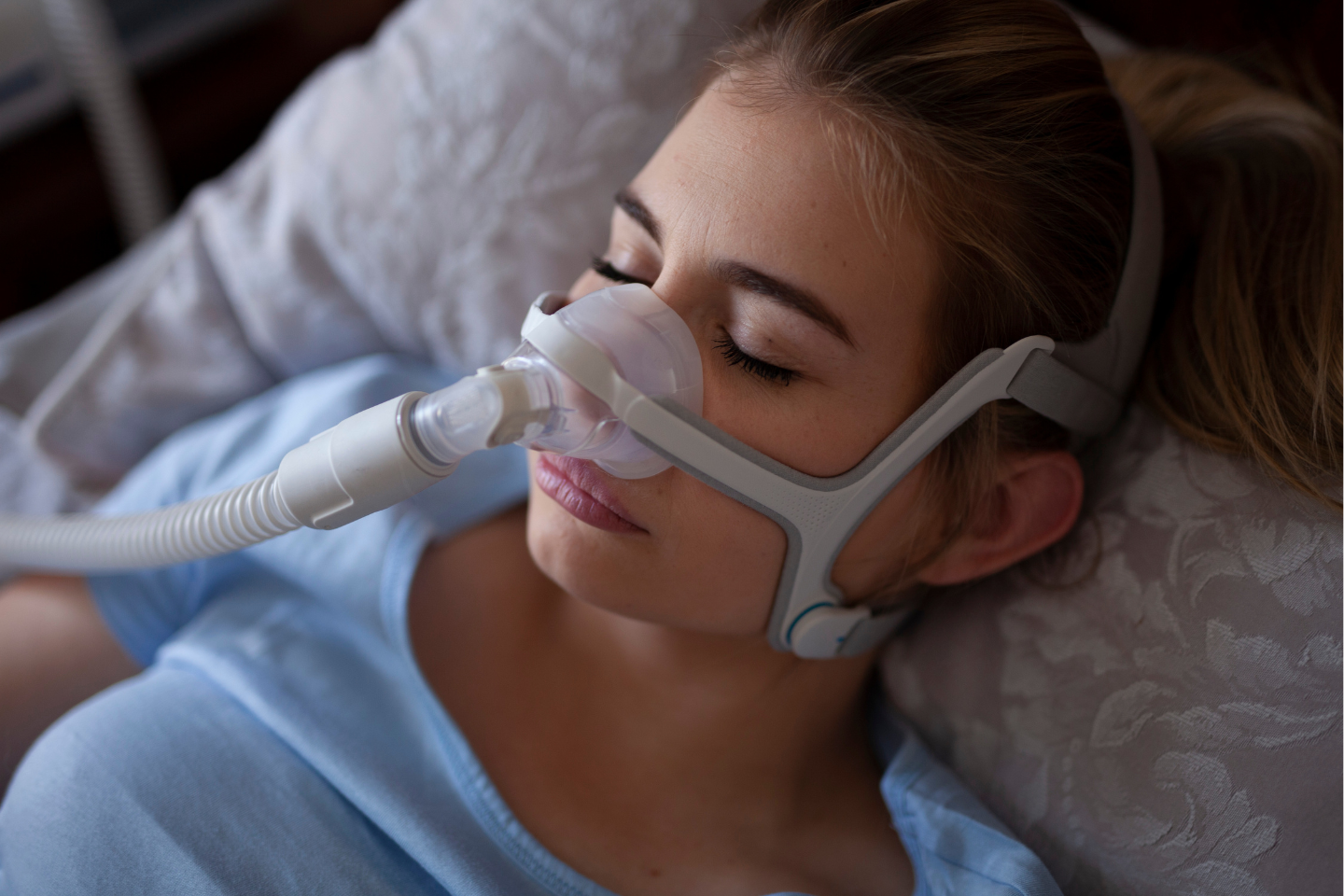
If you are tired of waking up feeling like you did not sleep at all, or if you are fed up with a noisy CPAP machine, you are likely looking for a better way to treat your sleep apnea. Custom oral appliance therapy is a popular choice for many reasons. It is comfortable, quiet, and very easy to carry around. But if you have never tried one before, you probably want to know what the whole process looks like.
At Dreamwell Center, we focus on making the path to getting your device as easy as possible. We know that sleep issues can make life feel like a blur, so we keep things simple. From your very first visit to that first night of deep, quiet sleep, here is exactly what happens when you choose oral appliance therapy for sleep apnea.
Your First Visit to Dreamwell Center
Everything starts with a simple conversation at Dreamwell Center. We want to hear about your history with sleep apnea and what you hope to get out of treatment. We will talk about common signs like morning headaches, feeling wiped out during the day, or if your partner has told you that you gasp for air while you sleep.
During this first visit, we do a thorough check of your teeth, your jaw, and your airway. We use modern digital scanners to create a 3D map of your mouth. This is a huge improvement over the old way of doing things, where you had to bite down on cold, messy putty to get an impression. These digital scans are incredibly accurate. This accuracy is the most important part of making a device that fits right and feels comfortable all night long.
We also take a look at your sleep study results. If you have not had a sleep study yet, do not worry. We can help you figure out how to get one done. This information is vital because it helps us make sure that oral appliance therapy for sleep apnea is the best fit for your specific situation.
How Your Custom Oral Appliance for Sleep Apnea is Made
After we have your digital scans ready, we send them over to a specialized dental lab. This is where your custom oral appliance for sleep apnea is built. It is important to remember that this is not like a store-bought mouthguard that you boil and bite. Those are often bulky and do not work well for breathing issues. A custom device is built specifically for the shape of your teeth and the way your jaw closes.
The goal of a custom oral appliance for sleep apnea is to gently guide your lower jaw forward. This tiny shift keeps the soft tissues in the back of your throat from collapsing. When those tissues stay open, your airway stays clear, and you stop having those scary breathing breaks.
Because the device is made just for you, it should not feel loose or bulky. Most of our patients find they can still close their lips comfortably and even take a sip of water while wearing it.
At Dreamwell Center, we choose materials that are strong enough to last but light enough to feel natural. It usually takes about two weeks for the lab to finish building your device and send it back to our office for your fitting.
The Fitting Appointment and Making Adjustments
Once your device is back at Dreamwell Center, you will come in for your fitting. This is a big step. We want to be 100% sure that the appliance clicks into place safely and does not pinch your gums or put too much pressure on your teeth.
We will also teach you how to adjust the device. Most modern oral appliances allow for small, gradual changes. We usually start with your jaw in a very slight forward position and then slowly move it forward over a few weeks. This slow approach gives your jaw muscles and joints plenty of time to get used to the new spot without feeling stiff or sore.
We will give you clear, easy-to-follow instructions on how to put it in, how to take it out, and the best way to keep it clean. Our goal is for you to walk out of Dreamwell Center feeling totally confident about starting your oral appliance therapy for sleep apnea.
Adjusting to Your New Device and Ongoing Care
The first few nights with your new device are a bit of a learning phase. You might notice that you have a little extra saliva or that your jaw feels slightly tight when you wake up in the morning. This is normal. Your body just needs a few days to realize there is something new in your mouth. Usually, these feelings go away within a week as you get used to the oral appliance therapy for sleep apnea.
We will set up follow-up visits at Dreamwell Center to see how you are doing. We want to know if your snoring has gone away and if you are finally feeling rested when you wake up. If we need to, we can make very small tweaks to the device to make sure it is doing its job perfectly.
Long-term care is very basic. You just need to keep the appliance clean using mild soap and cool water. You should also bring it with you to your regular dental checkups so we can make sure it still fits well. With the right care, your device can help you breathe well and sleep soundly for several years.
Frequently Asked Questions
Q: How long will I have to wait to get my device?
A: Generally, it takes about three to four weeks from your first consultation to the day you take your device home. This gives the lab enough time to build a custom oral appliance for sleep apnea that fits you perfectly.
Q: Can I use an oral appliance if I have bridges or implants?
A: Yes, most people with dental work can still use oral appliance therapy for sleep apnea. Because we use digital scans at Dreamwell Center, we can design the device to fit safely around your crowns, bridges, or implants without causing any damage.
Q: Is oral appliance therapy for sleep apnea actually comfortable?
A: Most people find it much easier to deal with than a CPAP. There are no masks, no hoses, and no straps around your head. Since it is custom-made for your mouth, it stays in place and lets you sleep in any position you like.
Q: How often will I need to get a new one?
A: A high-quality device from Dreamwell Center usually lasts for several years. As long as you keep it clean and do not drop it, it will stay in good shape for a long time.
Q: Does it stop snoring right away?
A: Many patients notice a huge difference on the very first night. However, for some, it takes a few weeks of small adjustments to find the perfect jaw position that fully stops the snoring and breathing breaks.
Q: Can I travel with my oral appliance?
A: Yes, this is one of the best parts. It fits in a small case that can go in your pocket or carry-on bag. You do not have to worry about power cords or distilled water like you do with a CPAP machine.
Take the Next Step Toward Better Rest
You do not have to spend another day feeling drained and foggy. If the CPAP is not working for you, or if you just want a simpler way to manage your sleep, we are here to help. A custom device could be exactly what you need to get your life back.
Get in touch with Dreamwell Center today to book your consultation and see how easy it is to start oral appliance therapy for sleep apnea.