
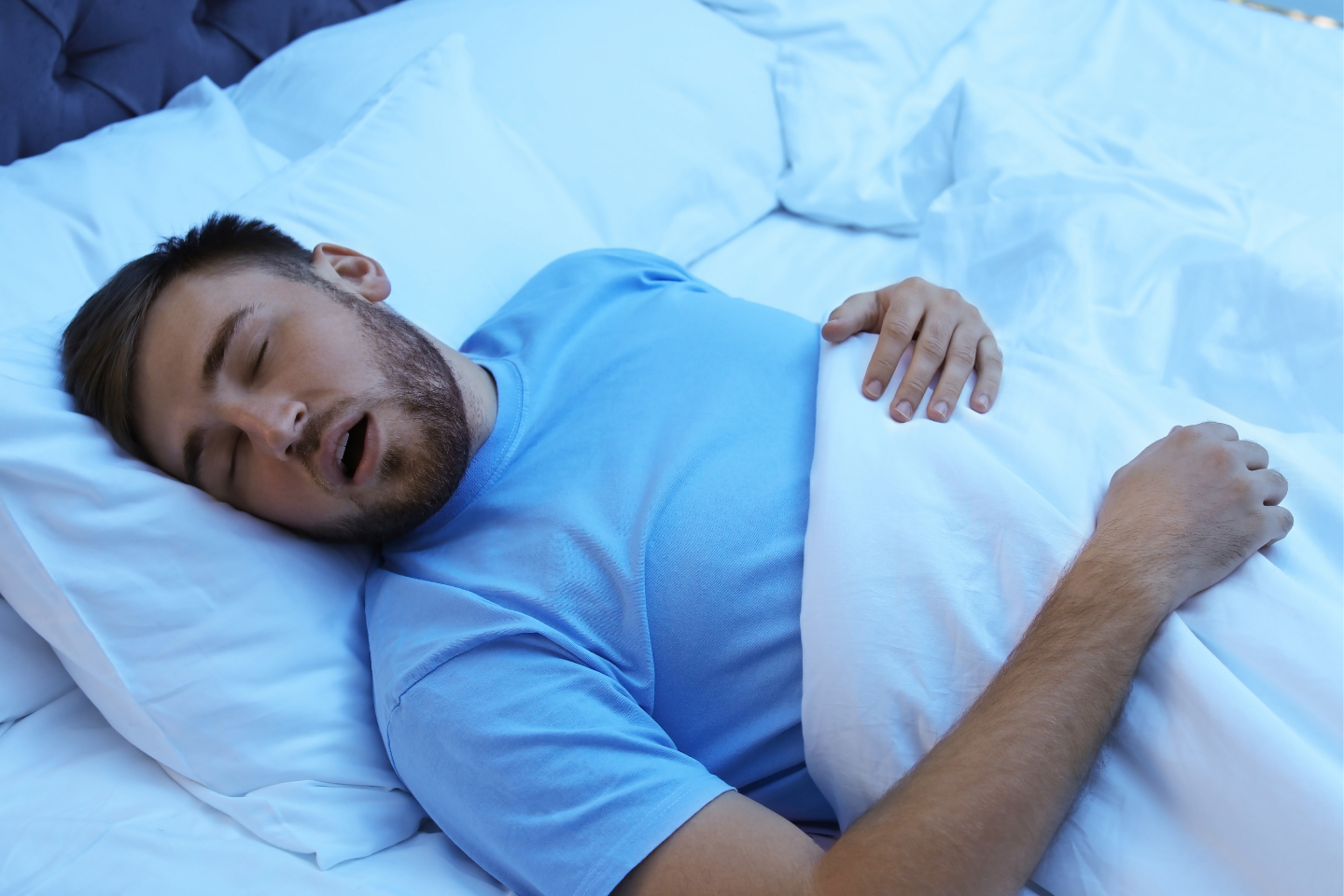
Sleep apnea is a whole lot more than just a loud snoring habit or feeling a bit sluggish during the day. It is actually a widespread sleep disorder marked by frequent, sudden pauses in your breathing while you sleep. These tiny interruptions can happen dozens or even hundreds of times a single night, and in many cases, people have absolutely no idea it is happening to them.
A lot of individuals live with obstructive sleep apnea for years before they finally decide to look into it. Because the signs usually creep up slowly, it is pretty easy to blame your exhaustion on everyday stress, getting older, or just a hectic schedule. However, ignoring sleep apnea can impact a lot more than just your nightly rest. Over time, it can take a real toll on your physical health, mental clarity, daily mood, and general well-being.
Recognizing what happens when sleep apnea goes unmanaged makes it much easier to see why getting a proper evaluation matters. If you have been dealing with poor sleep or heavy snoring, looking into sleep apnea treatment in Panama City or sleep apnea treatment in Santa Rosa Beach, FL, can be a major step toward protecting your health.
What Is Untreated Sleep Apnea and Why Does It Matter?
Obstructive sleep apnea happens when the muscles in your throat relax too much, causing your airway to become partially or completely blocked while you rest. These blockages trigger frequent breathing pauses that can cause your blood oxygen levels to drop and constantly interrupt your natural sleep cycles.
When you leave sleep apnea unmanaged, your brain is constantly forced to jolt you out of deep, restorative sleep and into a much lighter sleep stage just so you can take a breath. Because of this constant back-and-forth, your body rarely gets the deep, healing rest it actually needs to function.
Since these breathing events happen while you are totally knocked out, you probably won't realize how often they are occurring. In many cases, a bed partner is actually the first one to notice something is wrong, usually after hearing loud snoring, sudden gasping, or visible pauses in your breathing. Scheduling a professional evaluation for sleep apnea treatment in Panama City or sleep apnea treatment in Santa Rosa Beach, FL, is a reliable way to find out if a blocked airway is the true culprit behind your daytime fatigue.
Common Symptoms of Untreated Sleep Apnea
The signs of sleep apnea do not look the same for everyone. Some people deal with incredibly obvious red flags, while others have subtle symptoms that are much harder to pin down.
A few of the most frequent signs tied to unmanaged obstructive sleep apnea include:
- Consistent, loud snoring
- Gasping or choking for air during the night
- Noticeable pauses in breathing noticed by a partner
- Waking up with a headache in the morning
- Intense daytime sleepiness
- Trouble staying focused or concentrated
- Memory slips and brain fog
- Feeling unusually irritable or moody
- Waking up with an incredibly dry mouth
- An overall feeling of poor sleep quality
Most people start looking into treatment options simply because they are completely exhausted, even when they spend a full eight hours in bed. Living with chronic fatigue like this quickly starts spilling over into your work performance, your social life, and your general happiness.
How Untreated Sleep Apnea Can Affect Daily Energy and Mental Function
One of the most immediate and frustrating side effects of sleep apnea is the persistent, heavy fatigue that follows you around all day.
Because your sleep keeps getting interrupted, your brain is essentially blocked from reaching the deep sleep stages needed to restore your body. Even if you manage to stay in bed for a full night, you are still likely to wake up feeling totally drained.
Over time, this lack of genuine rest can lead to:
- A noticeable drop in daily concentration
- Slower reaction times while driving or working
- Real trouble focusing on complex tasks
- Frequent memory slips
- Dropping productivity levels at work
- A constant battle against daytime drowsiness
Many people describe this feeling as a permanent mental fog that makes it tough to stay sharp during meetings, regular conversations, or simple daily errands. Because these symptoms settle in slowly, it is easy to adapt to feeling tired, assuming it is just your normal baseline without realizing a sleep disorder is running the show.
Can Untreated Sleep Apnea Affect Heart Health?
Medical research has shown some clear links between unmanaged obstructive sleep apnea and several serious cardiovascular issues.
Every time your breathing stops, your oxygen levels take a dip, which signals your body to go into a sudden fight-or-flight survival mode. Over months and years, these constant nighttime spikes in stress and blood pressure end up placing a tremendous amount of strain on your entire cardiovascular system.
Consequently, unmanaged sleep apnea is often linked to:
- High blood pressure that is tough to control
- Abnormal heart rhythms or arrhythmias
- Coronary artery disease
- An increased risk of heart failure
- Chronic cardiovascular stress
Dealing with sleep apnea does not guarantee you will develop these conditions, but doctors widely recognize sleep-disordered breathing as a major variable when assessing your long-term heart health. Patients seeking sleep apnea treatment in Panama City and sleep apnea treatment in Santa Rosa Beach, FL often schedule an evaluation as a proactive way to look out for their heart and systemic wellness.
The Connection Between Sleep Apnea and Mood Changes
The quality of your sleep has a massive, direct impact on your emotional balance.
When you are consistently deprived of oxygen and deep rest due to sleep apnea, you might find yourself dealing with:
- Frequent irritability or a short fuse
- General frustration over minor issues
- Sudden mood swings
- Higher daily stress levels
- A major drop in your usual motivation
Consistently poor sleep can make regular, everyday challenges feel incredibly overwhelming. You might notice you have less patience with family, less resilience at work, and a harder time managing stress simply because your brain hasn't had the chance to properly recharge at night. While mood shifts can stem from plenty of different factors, checking in on your sleep health is an excellent place to start if these feelings won't go away.
How Untreated Sleep Apnea May Impact Overall Quality of Life
Sleep is the foundation for almost everything we do throughout the day.
When sleep apnea is left to run its course, you might find it increasingly difficult to:
- Maintain your usual productivity at your job
- Truly enjoy going out and being social
- Find the energy to exercise consistently
- Keep up with healthy daily routines
- Focus on your favorite hobbies and weekend activities
Your personal relationships can take a hit, too. Loud snoring and constant tossing and turning can easily keep your partner awake, leading to poor sleep, frustration, and daytime fatigue for both of you. A lot of patients who finally seek out treatment mention that getting their sleep back on track was the turning point for restoring their lifestyle and relationship harmony.
Why Early Diagnosis of Obstructive Sleep Apnea Matters
Because the signs of sleep apnea show up so gradually, it is incredibly common for people to put off seeing a professional.
An expert evaluation can help clear up whether your symptoms are actually tied to obstructive sleep apnea or a different sleep issue entirely. Getting a proper diagnosis usually involves a straightforward sleep study or an easy home sleep test to track exactly how your breathing behaves while you are asleep.
Catching the issue early gives your care team a chance to walk you through comfortable treatment options before the condition starts causing broader health issues. It is worth noting that not everyone who snores has sleep apnea, and not everyone with sleep apnea experiences the exact same symptoms. A comprehensive check-up provides a clear, accurate look at what is going on so you can make an informed choice.
When Should You Seek Evaluation for Sleep Apnea Symptoms?
It is highly recommended to chat with a professional about a sleep apnea evaluation if you are regularly dealing with:
- Loud, chronic snoring
- Intense daytime sleepiness or fatigue
- Regular morning headaches
- Real trouble concentrating during the day
- Breathing pauses noticed by someone else
- Restless nights and constant tossing
- Feeling completely wiped out for no obvious reason
Keep in mind, booking a consultation does not automatically mean you have a sleep disorder. However, figuring out the root cause of these frustrating daily symptoms is the best way to get your energy back and figure out the right next steps for your health.
Contact Dreamwell Center for Sleep Apnea Evaluation and Treatment
If loud snoring, constant daytime fatigue, or restless nights are starting to disrupt your day-to-day life, the team at Dreamwell Center is ready to assist you.
Reach out to Dreamwell Center today to book your consultation and take the first step toward reclaiming your sleep and your energy.
FAQs About Untreated Sleep Apnea
Q: What happens if sleep apnea is left untreated for years?
A: Over time, unmanaged sleep apnea can lead to chronic exhaustion, poor sleep quality, focus and memory issues, and mood shifts. It can also place long-term stress on your cardiovascular system, though the exact impact varies from person to person.
Q: Is loud snoring always a sign of sleep apnea?
A: Not necessarily. While heavy snoring is one of the most common signs of obstructive sleep apnea, plenty of people snore without having the condition. A professional evaluation is the only way to find out for sure.
Q: Can untreated sleep apnea affect concentration and memory?
A: Yes, absolutely. Because the disorder constantly disrupts your sleep cycles, it can leave you dealing with heavy brain fog, trouble staying focused, and short-term memory challenges during the day.
Q: How is sleep apnea diagnosed?
A: A proper diagnosis usually involves a sleep study or a convenient home sleep test. These tools track your breathing patterns, heart rate, oxygen levels, and nighttime respiratory events while you sleep.