
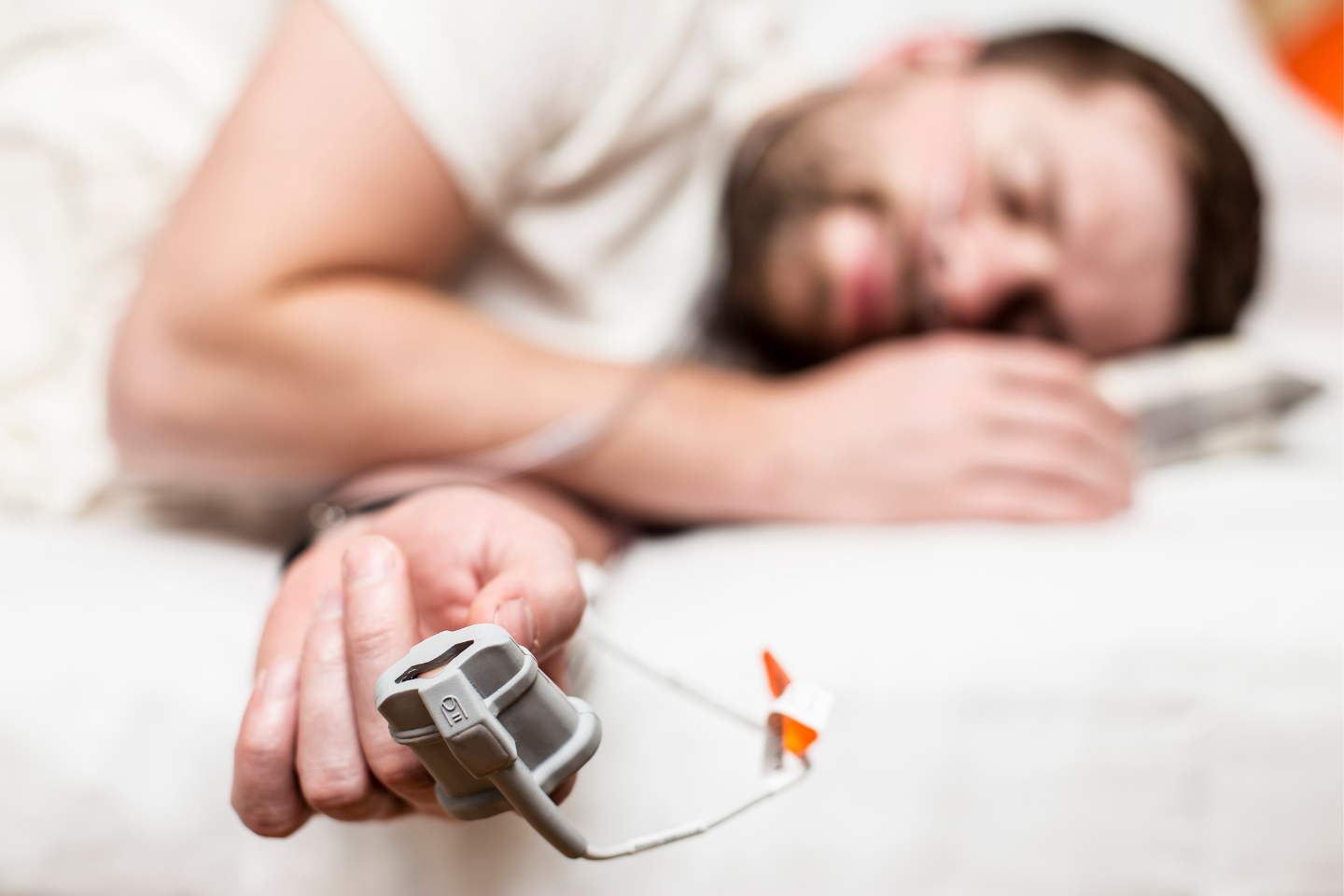
Sleep apnea is a common sleep disorder that can really disrupt your breathing patterns at night, leading to issues like loud snoring, daytime fatigue, morning headaches, and poor sleep. For many patients diagnosed with obstructive sleep apnea, managing the condition is not just a matter of starting therapy and walking away. It is an ongoing process of monitoring your progress and making tweaks whenever necessary.
Dentists who provide oral appliance therapy play an essential role in helping patients manage obstructive sleep apnea. However, successful treatment involves much more than simply crafting a custom mouthpiece. Regular, ongoing evaluations help make sure that your treatment continues to support healthy breathing and better sleep as time goes on.
How Dentists Monitor Sleep Apnea Treatment Progress After Oral Appliance Therapy
Oral appliance therapy works by gently repositioning your lower jaw to keep your airway open and functioning properly while you sleep. While a lot of patients notice a massive improvement in how they feel, dentists do not just rely on your symptoms alone to judge how well the treatment is working.
Regular check-ups give your dental team a chance to closely evaluate several key areas:
- How your sleep-related symptoms are changing
- The overall fit and comfort of your appliance
- Your jaw and bite function
- How consistently you are using the device
- Your long-term treatment goals
Managing sleep apnea is often a fluid process, meaning your dentist might recommend small adjustments to your device as your needs evolve over time.
Why Follow-Up Visits Are Important for Sleep Apnea Treatment Success
Routine follow-up visits are crucial because they allow your dentist to ensure your oral appliance still fits perfectly and does its job effectively.
During these appointments, you can openly discuss things like:
- Whether your snoring has lessened
- Your general daytime sleepiness and energy levels
- The overall quality of your sleep
- How comfortable the appliance feels at night
- Any potential issues with jaw discomfort or shifting teeth
These conversations give your provider invaluable insight into how the therapy impacts your day-to-day life. At the same time, your personal feedback is just one piece of a much larger puzzle. Many people seeking sleep apnea treatment in Panama City and Santa Rosa Beach, FL, find that these scheduled check-ins provide the structure they need for successful, long-term care.
How Dentists Evaluate Sleep Apnea Symptoms Over Time
One of the first things a dentist will look at during a follow-up is how your symptoms have changed.
You might find yourself reporting welcome improvements such as:
- Quieter or less frequent snoring
- Fewer times waking up in the middle of the night
- A noticeable drop in daytime fatigue
- Sharper concentration during the day
- Waking up feeling genuinely rested
While feeling better is always a great sign, dentists know that your subjective experience does not always tell the whole story. For instance, you might feel completely refreshed even if you are still experiencing subtle breathing interruptions. On the flip side, lingering fatigue could be tied to something else entirely unrelated to your airway. Because of this, dentists use objective tools alongside your feedback to get a complete picture of your progress.
Sleep Studies and Home Sleep Tests Help Measure Treatment Effectiveness
When it comes to tracking the actual success of your sleep apnea treatment, objective sleep testing is one of the most reliable tools available.
Once your oral appliance has been properly adjusted and optimized, your dentist may suggest a follow-up sleep study or a convenient home sleep test. Running these tests while you actually wear the device shows exactly how your breathing patterns respond to the therapy.
The data gathered can reveal critical details about:
- Any lingering breathing pauses during the night
- Your blood oxygen levels while sleeping
- Specific respiratory events
- Your overall nighttime breathing trends
This information is incredibly helpful for figuring out if your current setup is providing enough relief or if a few more adjustments are in order. For anyone navigating sleep apnea treatment in Panama City or Santa Rosa Beach, FL, a follow-up test is often a highly recommended milestone in a long-term care plan.
How Oral Appliance Adjustments Support Long-Term Sleep Apnea Management
Even though oral appliances are completely customized to your mouth, finding the absolute sweet spot for comfort and effectiveness usually requires a few periodic adjustments.
During your routine check-ups, your dentist will typically look over:
- The stability of the device
- The exact positioning of your jaw
- How well your airway is being supported
- Your day-to-day comfort
- Normal wear and tear on the appliance
Sometimes, a tiny modification can make a massive difference in how comfortable the device feels and how well it works. Additionally, as you get older or experience natural changes in your weight, overall health, or dental structure, further adjustments might be necessary. Regular check-ins ensure your device keeps pace with your life.
Monitoring Jaw Health and Bite Changes During Sleep Apnea Treatment
Because oral appliances function by gently holding your lower jaw forward, your dentist will want to keep a close eye on your dental health and jaw function throughout your treatment journey.
They will routinely evaluate:
- The comfort of your temporomandibular joint
- Your natural bite alignment
- Any potential shifting of your teeth
- The health of your gums
- How the device itself is wearing down
The good news is that most patients adapt beautifully to oral appliance therapy. Still, regular monitoring allows your dentist to catch any subtle shifts early on and make proactive tweaks, protecting both your alignment and your sleep quality at the same time.
The Role of Patient Compliance in Sleep Apnea Treatment Outcomes
Wearing your oral appliance consistently every single night is easily one of the biggest factors in how successful your therapy will be.
During your visits, you and your dentist will likely talk about:
- How often you are realistically wearing the device
- Any specific comfort issues holding you back
- Managing your therapy while traveling or changing routines
- Simple habits for keeping the appliance clean
It is not uncommon for patients to stop using their device if it starts feeling uncomfortable or loose. By staying in close communication with your provider, you can address these issues immediately and get the modifications needed to make the appliance comfortable again.
Ultimately, successful sleep apnea treatment is a team effort involving you, your dentist, your sleep doctor, and any other healthcare providers on your side.
Long-Term Sleep Apnea Care Requires Ongoing Evaluation
Sleep apnea is generally considered a chronic condition, meaning it can shift and change over the years. Even if you feel completely symptom-free, skipping your recommended follow-up visits is never a great idea.
Several everyday factors can alter how your treatment performs over time, including:
- Changes in your weight
- The natural aging process
- Subtle shifts in your airway anatomy
- New dental work or shifting teeth
- Evolving medical conditions
- Lifestyle adjustments
Checking in periodically ensures that your treatment remains safe and effective for your body as it changes. For patients seeking sleep apnea treatment in Panama City and Santa Rosa Beach, FL, prioritizing ongoing monitoring rather than looking for a quick, one-time fix is the best way to protect your long-term health.
Contact Dreamwell Center for Sleep Apnea Treatment Support
If you have been diagnosed with obstructive sleep apnea or are ready to explore your treatment options, Dreamwell Center is here to provide personalized care and consistent monitoring every step of the way.
Our dedicated team partners with patients looking for sleep apnea treatment in Panama City and sleep apnea treatment in Santa Rosa Beach, FL, to track symptoms, manage oral appliance therapy, and coordinate seamless follow-up care.
Reach out to Dreamwell Center today to set up your consultation and discover how we can help you achieve better sleep and long-term health.
FAQs About Tracking Sleep Apnea Treatment Success
Q: How often should I see my dentist after starting oral appliance therapy?
A: Your follow-up schedule depends entirely on your unique situation. Most patients stop in a few times during the initial adjustment phase, followed by routine, periodic visits to check on the fit, comfort, and progress of the device.
Q: Can symptoms improve even if sleep apnea is still present?
A: Absolutely. You might feel a whole lot better, even if your breathing is still experiencing mild interruptions. That is why objective testing is so valuable for confirming that your treatment is genuinely doing its job.
Q: Do I need another sleep study after receiving an oral appliance?
A: In many cases, yes. Your dentist or sleep specialist may suggest a follow-up test to look at your breathing patterns and oxygen levels while you are actively wearing the appliance.
Q: Is oral appliance therapy appropriate for everyone with sleep apnea?
A: It really depends on the severity of your obstructive sleep apnea, your physical health, and your personal goals. A comprehensive evaluation is the best way to see if it is a good fit for you.
Q: Where can I learn more about sleep apnea treatment in Panama City and Santa Rosa Beach, FL?
A: Dreamwell Center can guide you through every step of the process, from initial sleep apnea evaluations and custom oral appliances to long-term progress tracking for patients in the Panama City and Santa Rosa Beach, FL areas.