
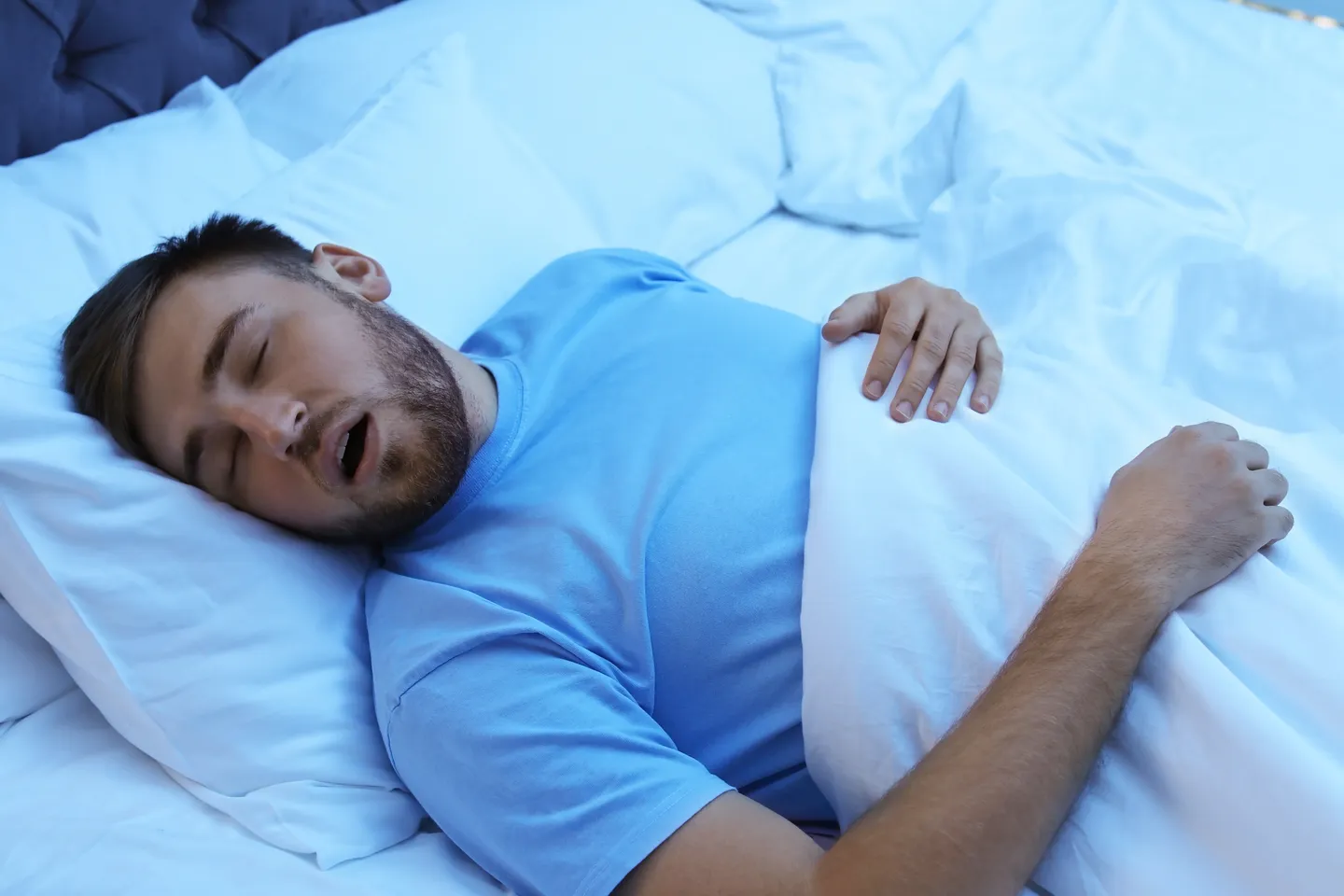
If you have been tossing and turning, waking up tired no matter how many hours you spent in bed, or if your partner has mentioned your snoring more than once, you might be wondering whether sleep apnea could be behind it. The next question that usually follows is how to actually find out, and that is where the conversation around home sleep apnea testing versus an overnight sleep lab study comes in. For a lot of people along the Gulf Coast, home sleep apnea testing in Panama City Beach has become a more convenient way to get answers without spending a night away from home hooked up to unfamiliar equipment.
This guide walks through what home sleep apnea testing actually involves, how it compares to a traditional overnight sleep lab study, and how to figure out which option makes the most sense for your situation.
What Is Home Sleep Apnea Testing and How Does It Work
Home sleep apnea testing is exactly what it sounds like. Instead of spending the night at a sleep lab connected to a full array of monitoring equipment, you are given a portable device to take home and use in your own bed for one or more nights. The device typically tracks things like airflow, breathing patterns, oxygen levels, and heart rate while you sleep, giving your doctor enough data to determine whether sleep apnea is present and, if so, how severe it might be.
Home sleep apnea testing is generally considered a good fit for people who have symptoms that strongly suggest obstructive sleep apnea, without other complicating health conditions that might require the more comprehensive monitoring available in a lab setting. Many patients find that testing in their own bedroom, with their own pillow and normal routine, feels a lot less stressful than an overnight stay somewhere unfamiliar.
How an Overnight Sleep Lab Study Differs from Home Testing
An overnight sleep lab study, often called polysomnography, involves spending a night at a dedicated sleep center where technicians monitor a wider range of body functions. In addition to airflow and oxygen levels, a sleep lab study typically tracks brain wave activity, eye movement, muscle activity, and heart rhythm, giving a more detailed picture of what is happening throughout different stages of sleep.
This more comprehensive monitoring is one reason a sleep lab study is sometimes recommended over home sleep apnea testing, particularly for patients with other health conditions like certain heart or lung issues, or for those whose symptoms do not clearly point to obstructive sleep apnea alone. A sleep lab can also help identify other sleep disorders beyond apnea that a home test is not designed to detect.
Who Is a Good Candidate for Home Sleep Apnea Testing
Not everyone is automatically a candidate for home sleep apnea testing, and this is usually one of the first things a sleep specialist evaluates during a consultation. Generally, people with clear symptoms of obstructive sleep apnea, such as loud snoring, witnessed pauses in breathing, and excessive daytime fatigue, along with a relatively straightforward health history, tend to be good candidates for testing at home.
On the other hand, patients with more complex medical histories, including certain cardiovascular or respiratory conditions, or those whose symptoms suggest a different type of sleep disorder, are often better suited for an in-lab sleep study where a broader range of data can be collected. A conversation with a sleep specialist is the best way to determine which type of testing fits your specific situation.
Comfort and Convenience Benefits of Testing at Home
One of the biggest draws of home sleep apnea testing is the comfort of being in your own environment. Many people find it easier to fall asleep naturally in their own bed rather than in an unfamiliar sleep lab room with wires and sensors attached in a clinical setting. This is especially true for people who already deal with some anxiety around sleep, since an unfamiliar environment can sometimes make it harder to get a representative night of sleep for testing purposes.
Home sleep apnea testing also tends to be more convenient logistically, since there is no need to arrange time off work for an overnight stay or find someone to watch children or pets while you are away. For many residents interested in home sleep apnea testing in Panama City Beach, the ability to complete testing without disrupting a normal routine is a meaningful advantage.
Accuracy Considerations Between Home Testing and Lab Studies
A common question people have is whether home sleep apnea testing is as accurate as an overnight lab study. For patients with a straightforward presentation of obstructive sleep apnea, home testing devices are generally considered a reliable method for detecting the condition and estimating its severity. That said, home tests do not capture the same breadth of data as an in-lab study, since they are typically focused specifically on breathing-related metrics rather than the full range of sleep stage information.
This is part of why a sleep specialist plays such an important role in determining which test is appropriate. If your symptoms and health history line up well with what home testing is designed to evaluate, the results can provide meaningful, actionable information without the need for an overnight lab stay.
What to Expect During a Home Sleep Apnea Test
If home sleep apnea testing is recommended for your situation, the process is generally straightforward. You will typically pick up a small monitoring device from your sleep specialist's office, along with instructions on how to set it up before bed. The device usually includes sensors that go around your chest, a small clip for your finger to monitor oxygen levels, and sometimes a nasal cannula to track airflow.
You wear the device for one or more nights of normal sleep at home, then return it so the data can be downloaded and reviewed by a sleep specialist. Most people find the setup process simple enough to manage on their own, and instructions are usually provided in a way that makes it easy to get everything positioned correctly before falling asleep.
When an Overnight Sleep Lab Study Might Still Be Necessary
Even with the growing popularity of home sleep apnea testing, there are situations where an overnight lab study remains the more appropriate choice. If initial home testing results are inconclusive, or if your sleep specialist suspects a sleep disorder beyond obstructive sleep apnea, an in-lab study may be recommended to gather more comprehensive data. Certain health conditions, as mentioned earlier, can also make lab-based monitoring a more suitable option from a clinical standpoint.
The good news is that sleep specialists are trained to help guide this decision based on your individual symptoms and health background, so you are not left trying to figure out which test is right on your own.
Talk to Dreamwell Center About Your Sleep Testing Options
If you have been dealing with symptoms that suggest sleep apnea, whether that is loud snoring, daytime fatigue, or restless nights, the team at Dreamwell Center can help determine whether home sleep apnea testing or an overnight lab study is the right fit for your situation. Getting a clear answer about your sleep health can make a real difference in how you feel day to day. Contact Dreamwell Center today to schedule a consultation and take the next step toward better sleep.
Frequently Asked Questions About Home Sleep Apnea Testing
Q: Is home sleep apnea testing as accurate as an overnight sleep lab study?
A: For patients with a straightforward presentation of obstructive sleep apnea, home testing is generally considered a reliable option, though it collects a narrower range of data compared to a full lab study.
Q: How many nights do I need to wear a home sleep apnea testing device?
A: This varies depending on your sleep specialist's recommendation, though many home tests are designed to be worn for one or more nights to gather sufficient data.
Q: Who is not a good candidate for home sleep apnea testing?
A: People with certain cardiovascular or respiratory conditions, or those whose symptoms suggest a sleep disorder beyond obstructive sleep apnea, are often better suited for an in-lab sleep study.
Q: What does a home sleep apnea testing device measure?
A: Most devices track airflow, oxygen levels, breathing patterns, and heart rate throughout the night to help determine whether sleep apnea is present.
Q: How do I know if I should try home sleep apnea testing in Panama City Beach?
A: Scheduling a consultation with a sleep specialist is the best way to determine whether home testing fits your specific symptoms and health history.
Q: What happens after I complete a home sleep apnea test?
A: The device is returned to your sleep specialist so the data can be downloaded and reviewed, and you will typically discuss the results and any recommended next steps during a follow-up appointment.