900 Navy Blvd Suite B, Panama City Beach, FL 32408

Blog
Can’t Stand Your CPAP? Oral Appliance Therapy Could Be Your Ticket to Better Sleep on the Emerald Coast
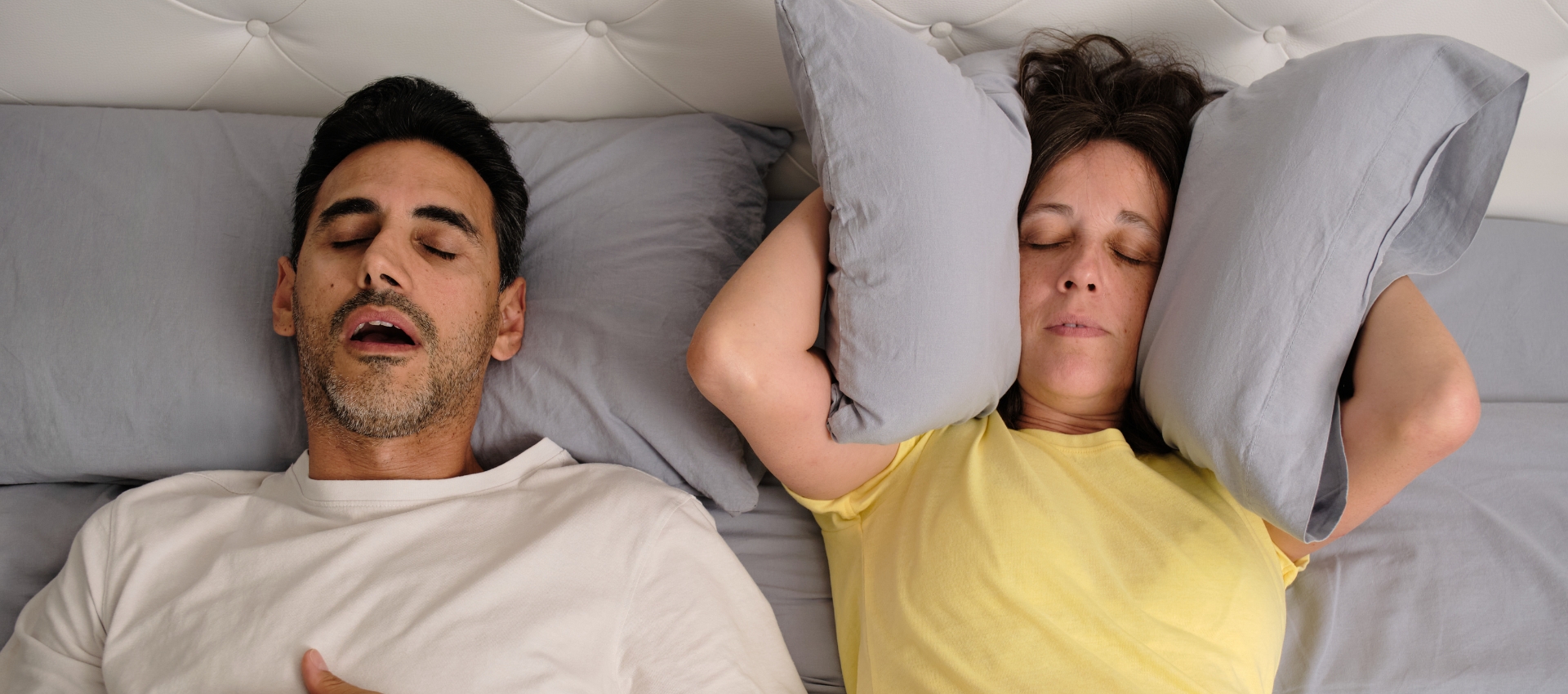
If your CPAP mask spends more nights on the nightstand than on your face, you’re far from alone. At our Panama City Beach and Santa Rosa Beach offices, we meet people every week who were diagnosed with obstructive sleep apnea (OSA), gave CPAP an honest try, and simply couldn’t make it work. The mask leaked. The hose tangled. The hum kept their partner up. Or they spend weekends camping at St. Andrews State Park or out on the boat, and hauling a machine along felt like one more chore.
Here’s the good news: CPAP isn’t your only option. For many adults with sleep apnea, a custom oral appliance is a clinically recognized, guideline-supported treatment. Let’s walk through how it works, who it helps, and what the process looks like with our team.
What Is Oral Appliance Therapy?
Oral appliance therapy (OAT) uses a custom-made device, a bit like a sports mouthguard or retainer, that you wear only while you sleep. Most are mandibular advancement devices. They hold your lower jaw slightly forward, which keeps your tongue and the soft tissues of your throat from collapsing into your airway.
When your airway stays open, you breathe more steadily, snore less, and your oxygen levels stay more stable through the night. Unlike CPAP, there’s no mask, no hose, no electricity, and nothing to pack beyond a small case.
One important note: a custom appliance is very different from a boil-and-bite snore guard from the drugstore. Ours are built from precise digital scans and fine-tuned over several visits by a dentist trained in dental sleep medicine.
Is Oral Appliance Therapy Backed by Evidence?
Yes. A joint clinical practice guideline from the American Academy of Sleep Medicine (AASM) and the American Academy of Dental Sleep Medicine (AADSM) recommends oral appliances for adults with OSA who can’t tolerate CPAP or prefer another therapy. The same guideline recommends custom, adjustable appliances over non-custom devices, and it calls for a qualified dentist to provide them.
CPAP often reduces breathing events more on paper. But a treatment only helps when you actually use it, and many patients find a small oral appliance far easier to wear every single night.
Who’s a Good Candidate?
Oral appliance therapy tends to be a great fit if you:
- Have mild to moderate OSA confirmed by a sleep study
- Have moderate or severe OSA and can’t tolerate CPAP
- Snore loudly but don’t have significant apnea
- Travel often for work or play and want something portable
- Want a quiet treatment that won’t disturb your bed partner
It may not be the right first choice if you have severe OSA with other health risks, don’t have enough healthy teeth to anchor the device, or have untreated jaw joint problems. Because our doctors also treat TMJ disorders, we check your jaw health before we recommend anything. If OAT isn’t the right fit, we’ll tell you, and we’ll coordinate with your physician on next steps.
What to Expect at Dreamwell Center
- Consultation and sleep evaluation. We review your history, symptoms, and any prior sleep study. No diagnosis yet? We can arrange a home sleep test, and a board-certified sleep physician interprets the results.
- 3D imaging and digital scans. We use CBCT imaging and airway analysis software to look at your airway and jaw in three dimensions. Then our TRIOS intraoral scanner captures your teeth digitally, so there’s no gooey impression material.
- Custom fabrication and fitting. Your appliance is made for your mouth alone. At the fitting, we check comfort, retention, and your starting jaw position.
- Fine-tuning. Over the next few weeks, we make small adjustments to find the position that keeps your airway open while staying comfortable.
- Confirming results. Once you’re settled in, we recommend a follow-up sleep test to confirm the appliance is doing its job.
Living With Your Appliance in Florida
A little care goes a long way. Rinse and gently brush your appliance each morning, let it dry, and keep it in its case. And here’s a tip every Panhandle patient should hear: never leave it in a hot car. A car parked at Pier Park in July can heat up fast, and that heat can warp the material.
Some people notice mild jaw stiffness or a slightly different bite first thing in the morning. That’s common early on, and it usually fades within minutes. We’ll show you simple morning exercises, and we’ll keep checking your bite at every visit.
Why Patients Across Bay and Walton Counties Choose Us
Dr. Michael O’Donnell opened Dreamwell Center in 2019 to bring comprehensive TMJ and sleep care to Northwest Florida. Dr. Noana Issar-Grill spent almost 24 years in the Air Force treating sleep apnea and TMJ patients and is a Diplomate of the AADSM. Dr. Chris Farrugia has treated sleep disorders since 2013.
You’ll find us at 900 Navy Blvd Suite B in Panama City Beach and at 6757 US-98 Suite 302 in Santa Rosa Beach. That’s an easy drive from Lynn Haven and Callaway, and just minutes from 30A, Miramar Beach, and Freeport. One patient summed it up well, telling us she was pleased with the progress she’d made midway through treatment.
Ready to Sleep Without the Mask?
If CPAP isn’t working for you, let’s talk about what will. Call us at (850) 312-1850 or book a consultation online at our Panama City Beach or Santa Rosa Beach office.
Frequently Asked Questions
Does insurance cover oral appliance therapy?
Many medical insurance plans cover OAT when you have a diagnosis of obstructive sleep apnea. Our front office team will help you understand your benefits and walk you through financing options before treatment starts.
How quickly will I notice a difference?
Some patients sleep better within the first few nights. For most, the biggest improvement comes over several weeks as we fine-tune the jaw position.
Will an oral appliance change my bite?
Minor bite changes can happen with long-term use. We monitor your bite at every follow-up and give you simple exercises to help keep things comfortable.
Can I use an oral appliance with CPAP?
Yes. Some patients use both. Holding the jaw forward can allow lower CPAP pressure, which many people find easier to tolerate.
Is an oral appliance the same as a night guard for grinding?
No. A night guard protects your teeth from grinding. A sleep apnea appliance repositions your jaw to keep your airway open. They’re designed for different jobs.
How long does an oral appliance last?
With good care, a custom appliance typically lasts several years. We check its condition at every visit and let you know when it’s time for a replacement.
Share this post