900 Navy Blvd Suite B, Panama City Beach, FL 32408
![[Brand Name] logo.](https://www.dreamwellcenter.com/wp-content/uploads/2026/08/img-logo.png)
Blog
Home Sleep Apnea Testing in Panama City Beach: Get Answers From Your Own Bed
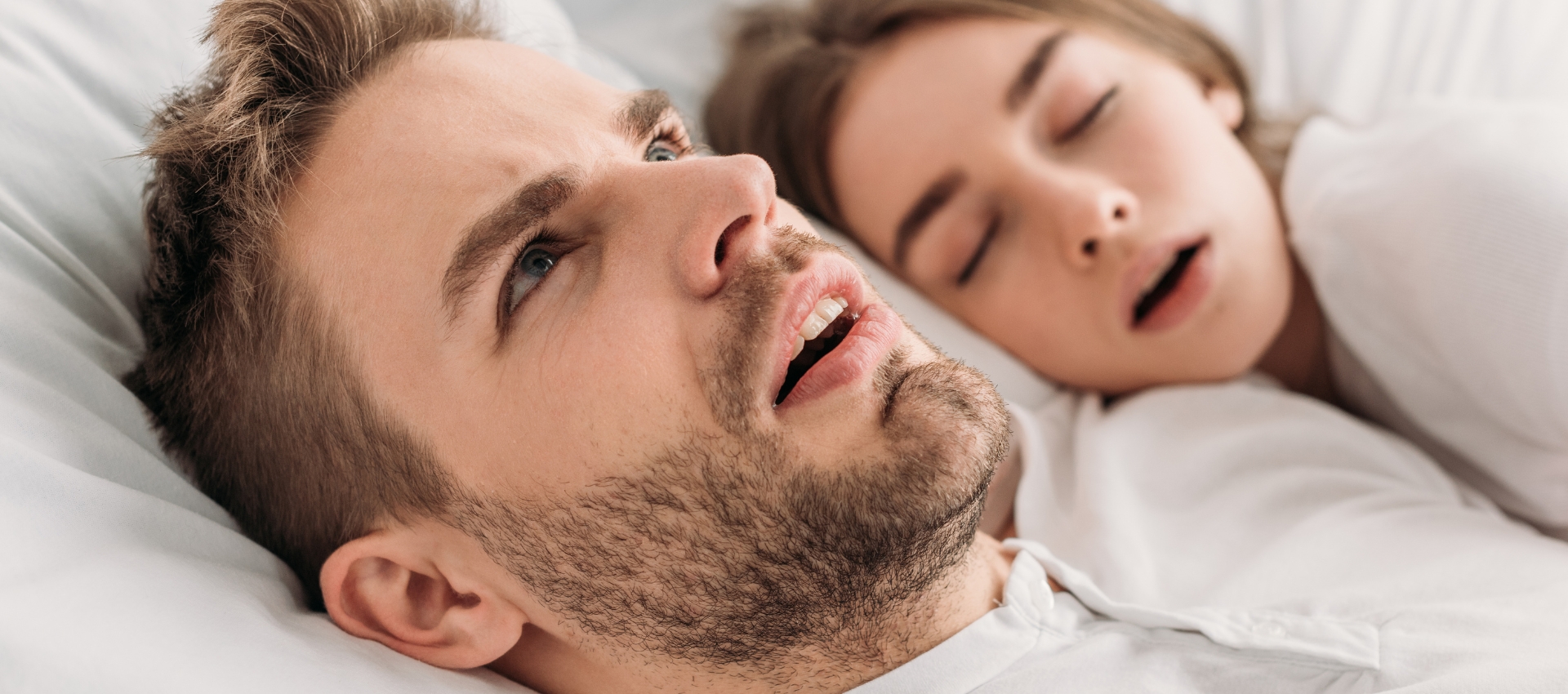
You snore like a freight train. You wake up tired even after eight hours. Maybe your spouse has nudged you more than once because you seemed to stop breathing. You know something’s off, but the idea of spending a night wired up in a sleep lab sounds about as relaxing as I-10 traffic on a holiday weekend.
That’s exactly why home sleep apnea testing exists. For the right patient, it delivers real diagnostic answers while you sleep in your own bed, whether that’s in Lynn Haven, Inlet Beach, or a condo just off Front Beach Road.
What Is a Home Sleep Apnea Test?
A home sleep apnea test is a small, portable device you wear for one or more nights at home. It records the key signals doctors need to spot obstructive sleep apnea, including:
- Airflow through a soft tube that sits at your nostrils
- Breathing effort using a light belt around your chest
- Blood oxygen and heart rate through a clip on your fingertip
- Body position and snoring, depending on the device
The device counts how often your breathing pauses (apneas) or becomes shallow (hypopneas) each hour. That number is your apnea-hypopnea index, or AHI. In adults, an AHI of 5 to 15 is generally considered mild, 15 to 30 moderate, and more than 30 severe.
At Dreamwell Center, your results are interpreted by a board-certified sleep physician. That matters, because a diagnosis has to come from a physician before any sleep apnea treatment can begin.
Who Is Home Testing Right For?
The American Academy of Sleep Medicine’s diagnostic guideline supports home testing for adults who show clear signs of moderate to severe OSA and don’t have certain complicating health conditions. Common signs include loud snoring, witnessed breathing pauses, gasping at night, and heavy daytime sleepiness.
An in-lab study may be the better choice if you have significant heart or lung disease, a neuromuscular condition, take opioid medications, or may have a sleep disorder other than OSA. For children, our team decides case by case whether home testing or an in-lab study makes the most sense. We’ll never push a test that isn’t the right fit for you.
How It Works at Dreamwell Center
- Start with a consultation. We talk through your symptoms, sleep habits, and health history. Our online self-assessment is a helpful place to start before your visit.
- Pick up your device. We’ll show you exactly how to put on each sensor. It takes about five minutes, and we’ll send you home with simple written instructions.
- Sleep at home. Follow your normal bedtime routine. The device records quietly while you sleep.
- Return the device. Drop it off at our Panama City Beach or Santa Rosa Beach office.
- Review your results. Once the sleep physician has read your study, we’ll sit down with you, explain your numbers in plain English, and walk through your options.
Tips for a Smooth Test Night
- Keep your usual bedtime and wake-up time
- Skip naps that day, and avoid caffeine in the afternoon
- Avoid alcohol, since it can change your breathing patterns
- Remove nail polish from the finger that will wear the oxygen clip
- If a sensor slips off during the night, just put it back on and go back to sleep
A Local Note for Snowbirds and Busy Seasons
Our area runs on seasons. Many winter residents arrive from up north between January and March, and plenty of locals work long hours from spring break through Labor Day. Home testing fits around those schedules. There’s no overnight reservation and no lost workday, and you can test in the place where you actually sleep.
What Happens After Your Test?
If your test shows sleep apnea, we’ll discuss treatments that fit your diagnosis and lifestyle. That might include a custom oral appliance, positional therapy, laser-based therapy, or coordinated care with your physician or an ENT specialist. If your results come back normal but you still feel exhausted, we’ll dig deeper. Fatigue has many causes, and we’ll help you find the right next step.
Book Your Home Sleep Test
Good sleep shouldn’t be a guessing game. Call (850) 312-1850 or book online to schedule a sleep consultation at our Panama City Beach or Santa Rosa Beach office.
Frequently Asked Questions
Is a home sleep test as accurate as a lab study?
For adults with a high likelihood of moderate to severe OSA, home testing is a well-established diagnostic tool. Lab studies record more signals, including brain waves, so they’re better for complex cases.
How many nights will I wear the device?
Usually one night. Some devices or situations call for two or three nights to get a clearer picture.
Do I need a referral?
It depends on your insurance plan. Our team can help you check any referral requirements before your visit.
Is home sleep testing covered by insurance?
Many medical plans cover home sleep testing when symptoms suggest sleep apnea. Our front office will help you understand your coverage before your test.
Can I sleep on my side during the test?
Yes. Sleep however you normally do. Some devices track position, which can actually help us see whether your apnea gets worse on your back.
What if my test is negative but I still snore?
Snoring without apnea is still worth addressing. Options like the Quiet Nite laser or a custom oral appliance may help, and we’ll talk through them with you.
Share this post