
Dreamwell Center

Sleep Apnea Treatment for Adults and Kids in Panama City Beach and Santa Rosa Beach
Dreamwell Center doesn't just manage your sleep apnea symptoms. We diagnose and treat the underlying cause, for both adults and children, so you can finally get to the root of the problem instead of living with it.

Why Patients Choose Us
Treating the Cause, Not Just the Symptoms
Most sleep apnea treatment stops at symptom relief. A traditional mandibular advancement appliance repositions your jaw to keep your airway open, but it doesn't change the underlying anatomy causing the obstruction in the first place. Dreamwell Center takes a different approach.
Our approach draws on years of specialized training and board certification in dental sleep medicine, bringing together the techniques that have actually worked best for our patients rather than relying on any single named system. We use non-surgical orthopedic appliances, laser therapy, myofunctional therapy, and airway expansion, individually or combined, to actually remodel the airway over time. The goal isn't a device you wear for life. It's treating the root cause so your body can breathe and sleep the way it's supposed to. The majority of our patients see real, lasting improvement in their sleep apnea, and many go on to fully resolve their symptoms altogether.
Board-certified in dental sleep medicine, with a treatment-focused approach
Care for both adults and children, starting as young as age 2
Noninvasive, non-surgical, non-pharmaceutical approach
FDA-cleared orthopedic appliances designed to remodel the airway, not just manage symptoms
HOW TREATMENT WORKS
A Treatment Plan Built Around Your Airway, Not a One-Size Appliance
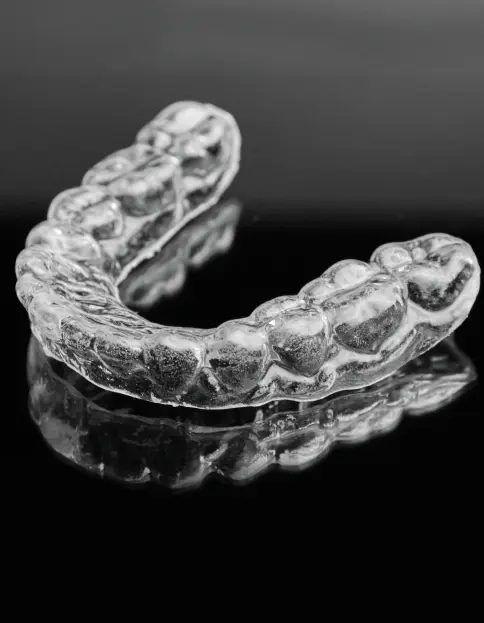
Every patient's airway is different, so treatment at Dreamwell Center is never a single device handed to everyone who walks through the door. Depending on your evaluation, your plan may include orthopedic appliances, laser therapy, myofunctional therapy, arch expansion, or a combination of these, each aimed at improving the physical space your airway has to work with.
Most treatment plans run about 18 months. Unlike a CPAP machine, which needs to be worn every night indefinitely, or invasive surgical options like neurostimulation implants, Dreamwell's approach is designed to work over a defined treatment period, with the goal of lasting improvement once treatment is complete.
Sound familiar
Sleep Apnea Rarely Shows Up as a Sleep Problem
It shows up as everything else. Most of our patients came in for one of the symptoms below and had no idea it started at night.
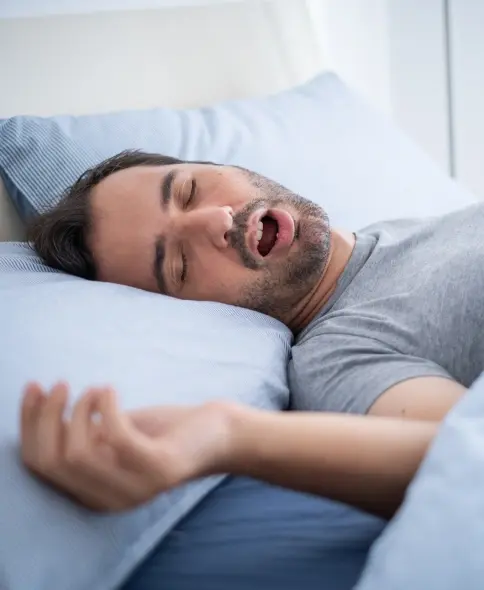
Loud snoring
Often the first clue, and usually reported by a partner rather than noticed by you.
Tired after 8 hours
Time in bed is not the same as time asleep. Fragmented sleep never reaches the restorative stages.
Morning headaches
Overnight oxygen dips and clenching both leave their mark by the time you sit up.
Waking up gasping
Choking or gasping awake is the airway reopening. It is worth an evaluation on its own.
Teeth grinding and jaw pain
Clenching is often the body's attempt to hold the airway open. Sleep and TMJ travel together.
High blood pressure
Untreated sleep apnea is linked to hypertension, heart strain, and blood sugar problems.
Brain fog and short fuse
Memory slips, irritability, and afternoon crashes are common and often blamed on age.
A CPAP in the closet
If the mask never worked for you, you are not a failed patient. You need a different tool.
WHY IT MATTERS
Sleep Apnea Rarely Stays Contained to Sleep
Obstructive sleep apnea has been linked to a wide range of health conditions well beyond feeling tired the next day. Research has connected OSA to significantly higher rates of stroke, hypertension, type 2 diabetes, cardiovascular disease, and other serious conditions, which is part of why treating the underlying cause, not just masking the symptoms overnight, matters as much as it does.
Higher stroke risk associated with OSA
Increased likelihood of hypertension
Elevated rates of type 2 diabetes among OSA patients
Associations with cardiovascular disease and heart failure
From first call to first good night
Four Visits, and You Sleep at Home the Whole Time
No sleep lab, no overnight stay with wires taped to your chest. Here is the actual path our Panama City and Santa Rosa Beach patients follow.
01
Sleep & airway evaluation
We review your symptoms, history, bite, and airway using advanced imaging to create a personalized treatment plan.
60–90 MINUTES
02
At-home sleep test
Sleep in your own bed while a small device records breathing, oxygen levels, and effort. Your results are professionally reviewed.
ONE NIGHT. YOUR OWN BED.
03
Non-Surgical Orthopedic Appliance
We digitally scan your teeth and design a custom, non-surgical orthopedic appliance built to support proper growth and development while keeping your airway comfortably open.
2–4 WEEKS TO FABRICATE
04
Follow-up & testing
We monitor your progress, adjust your appliance, and retest your sleep to confirm your treatment is working.
ONGOING CARE INCLUDED
In Children, It Can Look Like This
01
Mouth Breathing
Breathing through the mouth instead of the nose, especially during sleep, can be a sign of airway restriction or a tongue-tie affecting tongue posture.
02
Bedwetting Past Toilet Training Age
Disrupted sleep from breathing difficulty is a lesser-known but real contributor to bedwetting in school-age children.
03
Trouble Focusing or Acting Out
Poor sleep quality in kids often shows up as hyperactivity, irritability, or difficulty concentrating, sometimes mistaken for behavioral issues.
04
Tongue-Tie or Lip-Tie
Difficulty breastfeeding as an infant, a clicking sound while nursing, or a tight, restricted movement under the tongue can point to a tongue-tie that hasn't been addressed.
How we see your airway
We Measure the Airway Instead of Estimating It
The difference between an appliance that works and one that sits in a drawer is usually the diagnostics behind it.
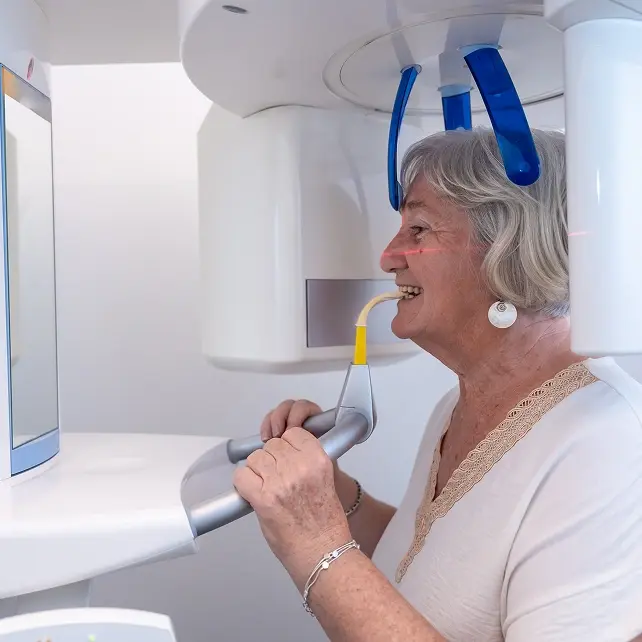
Cone beam CT imaging
3D imaging of teeth, bone, soft tissue, and the airway, showing what a flat X ray cannot.
Airway analysis software
Measures the actual dimensions of your upper airway to locate the narrowest point.
TRIOS digital scanning
Precise 3D impressions of your bite with no trays and no impression material.
Jaw tracking and bite analysis
Records how your jaw moves and closes, so the appliance respects your joint.
Cephalometric imaging
Analyzes facial growth and jaw relationships, which matters most in children.
Outcome testing
A repeat sleep test on therapy to confirm your breathing events genuinely dropped.
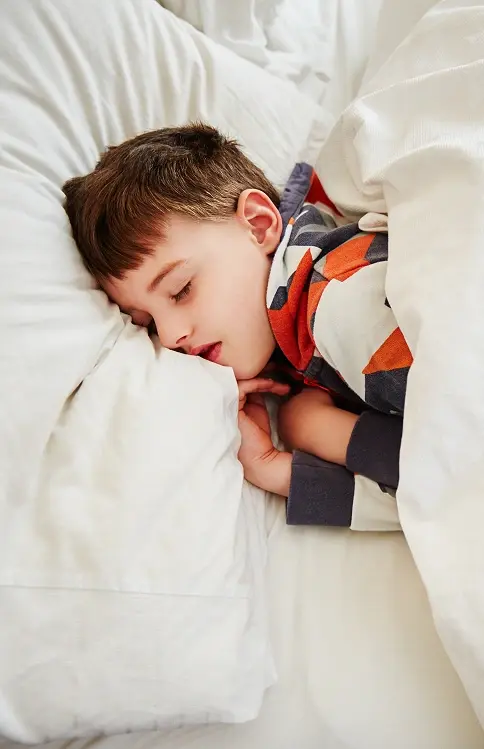
Care For Growing SmilesCARE FOR GROWING BREATHERS, STARTING AT AGE 2
Sleep-Disordered Breathing in Kids Is Often Missed, and Often Treatable
Sleep-disordered breathing in children is frequently overlooked or misdiagnosed, in part because the symptoms look so different from what shows up in adults. Even mild cases can affect a child's ability to focus, leading to real struggles in school that have nothing to do with intelligence and everything to do with poor sleep.
At Dreamwell Center, we evaluate children as young as 2 years old for airway and breathing concerns, often starting with a home sleep study so your child can be assessed in their own bed. For many young patients, treatment centers on a simple habit corrector appliance designed to retrain nose breathing instead of mouth breathing, addressing the root habit behind many of these symptoms.
Signs of Sleep-Disordered Breathing in Children
ADD/ADHD-like symptoms or aggressive behavior
Delayed growth or daytime sleepiness
Bed wetting past toilet training age
Snoring or frequent nightmares
Crowded teeth, overbite, or overjet
Chronic allergies or swollen adenoids and tonsils
How We Treat It
Depending on your child's evaluation, treatment may include a habit corrector appliance, arch expansion, myofunctional therapy, or in some cases a tongue-tie release. Many of these same airway issues, if left untreated, are what we see show up again in adult patients years later.

TONGUE-TIE EXPLAINED
What Every Parent Should Know About Tongue-Tie
A tongue-tie, or ankyloglossia, happens when the tissue connecting the tongue to the floor of the mouth is unusually short or tight, limiting how far the tongue can move. It's often caught early during breastfeeding difficulties, but it can also go unnoticed for years, quietly affecting speech, swallowing, and even how a child's airway develops.
A tongue that can't rest properly against the roof of the mouth tends to sit low instead, which can influence how the palate forms over time. A narrower palate often means less room for the nasal airway, one reason tongue-tie and mouth breathing show up together so often in the children we evaluate.
Signs That May Point to a Tongue-Tie
Difficulty breastfeeding or a clicking sound while nursing as an infant
Trouble sticking the tongue out past the lips
A tongue that looks heart-shaped or notched when lifted
Certain speech sounds that are consistently hard to pronounce
Frequent mouth breathing or a visibly low tongue posture at rest
How It's Treated Most tongue-ties are corrected with a frenectomy, a brief procedure that releases the tight tissue, often performed with a laser for precision and a faster recovery. Most children are back to normal activity within a few days, and many families notice improvement in feeding, speech, or sleep soon after.
WHEN TO GET EVALUATED
There's No Single "Right Age," But Earlier Helps
Tongue-tie is often identified in infancy, usually during feeding struggles. Airway and jaw development concerns tend to surface a bit later, commonly between ages 4 and 12, while the palate and airway are still actively growing and easier to guide. A pediatric evaluation at Dreamwell Center looks at the same core factors we assess in adults, airway size, breathing patterns, and sleep quality, but interprets them through the lens of a developing child, often catching a growth or airway issue years before it becomes a bigger problem.
How We Help
Comprehensive Sleep & Airway Care
From first screening to long-term follow-up, everything you need to breathe — and sleep — easier.
Smile experts
Board-Certified Doctors Who Do This All Day, Every Day
Dreamwell Center is not a general dental office that also fits appliances. Sleep and TMJ is the entire practice.
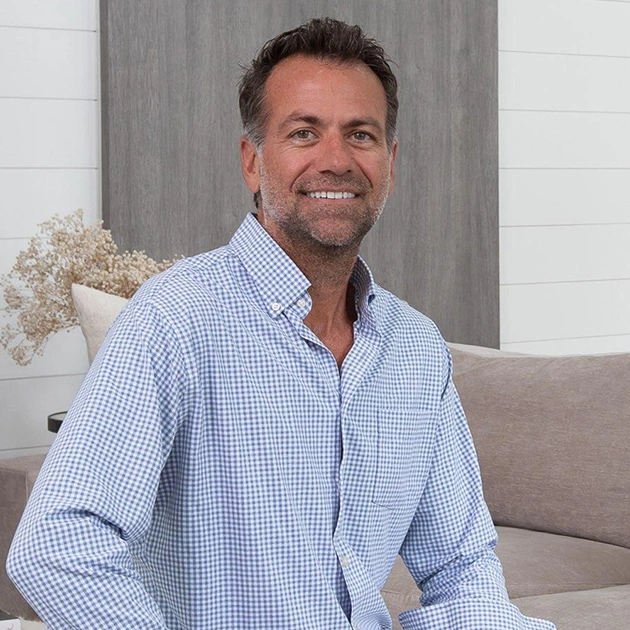
Dr. Michael O'Donnell
Board-Certifiedlicense Number - DN16800
Opened Dreamwell Center in early 2019 to bring comprehensive TMJ and sleep disorder treatment to patients across Northwest Florida.
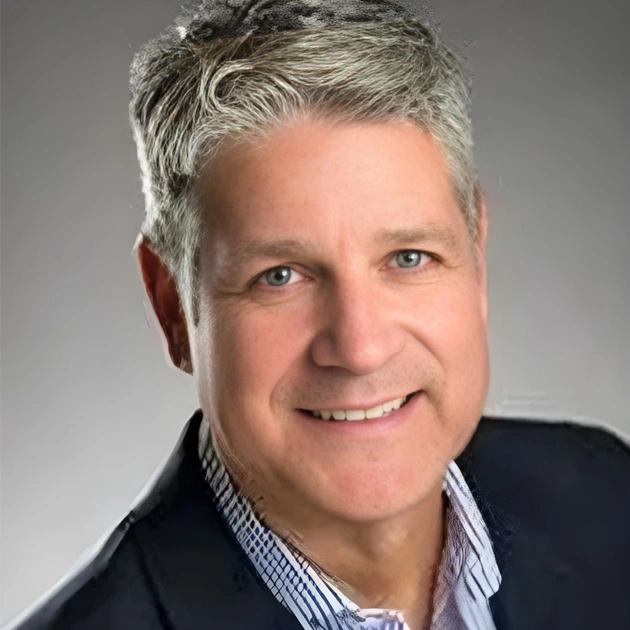
Dr. Chris Farrugia
Board-CertifiedBegan treating sleep disorders in private practice in 2013 and has been diagnosing and treating TMD and TMJ disorders for more than 25 years.
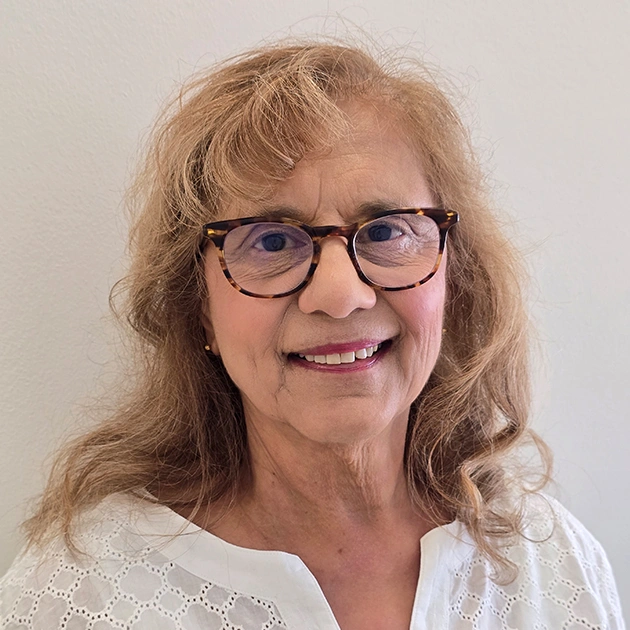
Dr. Noana Issar-Grill
Board-Certifiedlicense Number - DN15832
Spent nearly 24 years in the Air Force treating TMJ, TMD, and sleep apnea patients. A Diplomate of the American Academy of Dental Sleep Medicine.
From our patients
What Treatment Here Actually Feels Like
We Can't Wait to Help You Sleep
Visit Us at Either Dreamwell Location
Two convenient locations along the Florida Panhandle — pick whichever is closest to home.
Panama City Beach
900 Navy Blvd Suite B, Panama City Beach, FL 32408
Monday: 8 AM - 5 PM
Tuesday: 8 AM - 5 PM
Wednesday: 8 AM - 5 PM
Thursday: 8 AM - 5 PM
Friday: Closed
Saturday: Closed
Sunday: Closed
Santa Rosa Beach
6757 US-98 Suite 302, Santa Rosa Beach, FL 32459
Monday: 9 AM - 5 PM
Tuesday: 9 AM - 5 PM
Wednesday: 9 AM - 5 PM
Thursday: 9 AM - 5 PM
Friday: 9 AM - 5 PM
Saturday: Closed
Sunday: Closed
Questions patients ask us
Sleep Apnea, Answered Plainly
Start here
We Can't Wait to See You REST Easy
Take the first step toward better sleep. Our team will walk you through screening, treatment options, and insurance — no pressure, no judgment.